Opening Statement | Inquiry into the role of Western Australia in the global effort on decarbonisation
Economics & Industry Standing Committee:
Inquiry into the role of Western Australia in the global effort on decarbonisation
25th February 2026
Opening Statement
Chair, Deputy Chair and Members, thank you for the opportunity to appear today.
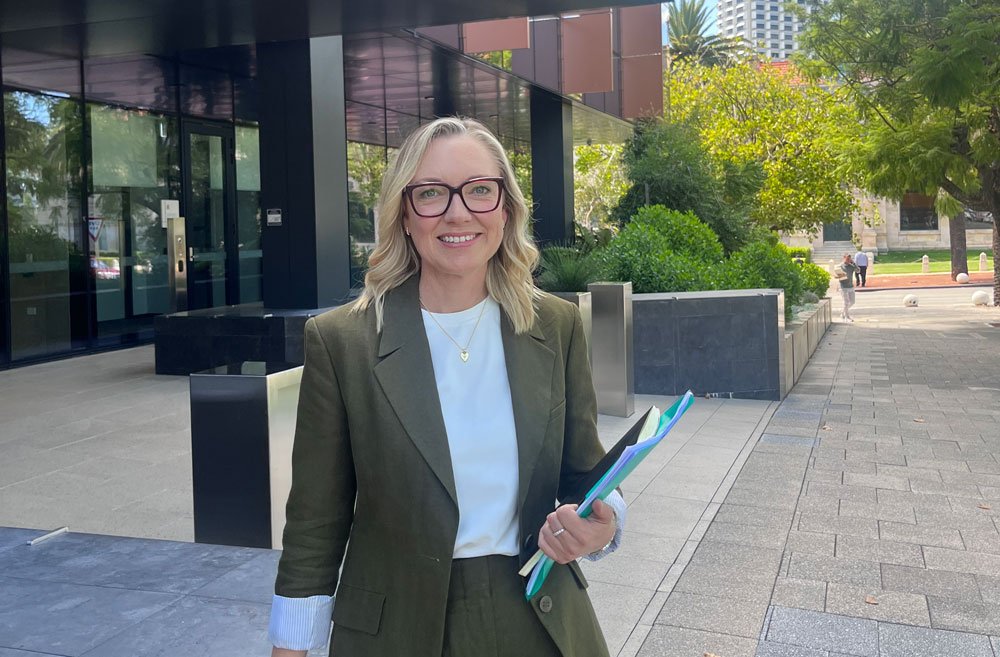
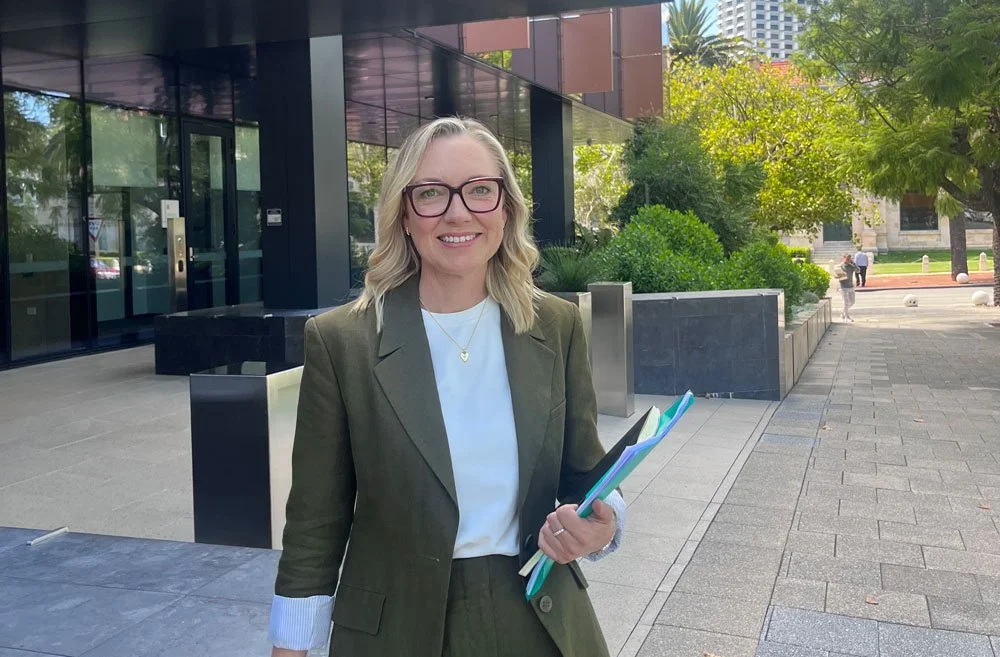
I’m here on behalf of the Domestic Gas Alliance.
I’m joined by a representative from one of our member organsations, Nick Rea, Manager - Wholesale and Low Carbon Fuels at Wesfarmers Chemicals, Energy & Fertilisers.
We’re a member-driven industry body representing Western Australia’s large domestic gas users.
Our members include Cockburn Cement, Alcoa, Coogee Chemicals, Wesfarmers Chemicals, Energy & Fertilisers, Tronox and Yara Pilbara, and collectively they account for around 60 per cent of WA’s gas consumption.
Their businesses span manufacturing, mining and minerals processing, chemicals and fertilisers, and the service and logistics supply chains behind them.
They are significant employers and major contributors to WA’s economy.
From our perspective, gas matters for two core reasons.
First, domestic gas is one of the few inputs that has enabled Western Australia to consistently process and value-add onshore.
As a State and Nation, we grapple regularly with how we add-value to our natural resources. We are very good at extraction and export. But if we are to realise a future made in WA or Australia, we must do more with what we have here in Australia.
Domestic gas generates eight times as much economic activity in the State as gas that is exported – it has been assisting us to value-add for decades.
It is a critical industrial feedstock – take for example ammonia: a molecule of gas becomes part of product which then underpins downstream essentials like fertiliser for agriculture, ammonium nitrate for mining explosives, and inputs like sodium cyanide used to extract gold.
It also provides reliable high-temperature process heat for key industrial processes helping keep more of the supply chain, jobs and economic value here in WA as opposed to exporting resources in a less processed form.
Second, gas provides firming capacity for our electricity network and decarbonisation agenda.
As we move from coal to renewables, we must be able to meet demand and maintain the integrity of the grid.
The Australian Energy Market Operator’s latest Gas Statement of Opportunities identifies that gas consumption for gas-powered electricity generation will continue playing a critical role in WA’s main power grid.
The outcome of failing to acknowledge and put the right policy settings in place to ensure gas is available will be widespread blackouts and potentially de-industrialisation as businesses are forced to close their doors.
The east coast is a live example of what WA must avoid - but is likely to experience if we don’t maintain a supply of reliable gas for the domestic market and enforce our domestic gas policy.
The Alliance was formed in 2006, at a time of serious supply shortage, for a simple purpose: to ensure WA’s domestic gas market settings deliver the supply certainty and price stability that underpin jobs, investment and regional economic activity.
Nearly 20 years on, we are again facing supply shortages, with the Australian Energy Market Operator’s latest Gas Statement of Opportunities warning of shortfalls in 2028 and then increasing from 2030.
Despite all LNG producers being required to reserve the equivalent of 15 percent of what is exported, a 2024 Parliamentary inquiry found only 8 percent had been delivered to the WA market.
This shortfall materially impacts the businesses that underpin our economy, jobs and our capability to decarbonise.
Western Australia has a high concentration of hard-to-abate industry so the importance of Carbon Capture and Storage (CCS) in assisting to meet these obligations cannot be understated.
In terms of supply, we recognise domestic gas comes from a mix of sources.
Onshore gas has historically been quarantined for the domestic market, although that has been eroded in recent years as some onshore production has been permitted to access export pathways.
At the scale and consistency industry requires, offshore projects linked to LNG exports with domestic gas obligations will be critical to meet future demand, as will the enforcement of our Domestic Gas Policy.
We understand this inquiry is focused on Western Australia’s contribution to the global decarbonisation effort, including what role our gas may play in this effort.
For the same reasons gas remains critical in Western Australia, it has a role in assisting the energy transition globally.
Western Australia has a reputation as a reliable and innovative trading partner with high ESG standards.
Countries that have constrained renewable energy potential due to factors like geography, climate, or population density, as well as decreasing domestic natural gas supply are expected to rely heavily on LNG.
It is also a critical ingredient if we are to succeed in scaling up our critical mineral processing capability and ensuring global supply chain security.
There are also new opportunities to produce low-emissions ammonia as a marine bunker fuel for the Pilbara's iron ore shipping fleet, or for power generation, where we are already witnessing significant reductions in NOx and SOx emissions in our regional trading partners electricity grids.
Western Australia’s contribution to regional decarbonisation is not something we can do separately from our own transition at home - the two are symbiotic.
If we want to be a credible partner to the region, we need to keep WA’s economy strong while emissions fall and access to a reliable, affordable source of gas is critical to our success.
Our ability to support the region with reliable energy and lower-carbon products depends on getting the domestic settings for energy and decarbonisation right.
It needs to be sequenced and pragmatic and can’t assume overnight substitution without risking production, jobs and investment.
We appreciate the Committee’s consideration and we’re happy to assist further.

Opinion: No reason for gas shortage

This article written by DomGas Alliance spokesperson Mia Davies was published in The Western Australian on 24 December 2025.
WA has gas in abundance, yet we are hurtling towards a shortage big enough to threaten our own energy security, industry and manufacturing. That’s what the numbers in this year’s annual Gas Statement of Opportunities (GSOO) published by the Australian Energy Market Operator foreshadow.
In a state built on energy, that is a failure of policy, not geology.
In June 2023, a parliamentary inquiry chaired by Peter Tinley was launched to examine whether WA’s domestic gas industry was delivering on the State’s reservation policy.
It was a deep-dive into a pretty simple policy that can be summed up in three lines - LNG producers are obliged to reserve the equivalent of 15 percent of their exports for the domestic market, build the infrastructure to put it in the pipeline, and market the gas in good faith (fair price and contract terms, when the market needs it).
In essence, LNG producers can only get a green light to export our gas if some of it stays here in WA to build and grow industry, jobs and maintain energy security for our State.
Despite this, WA gas prices have more than doubled in the last five years and the latest forecast from the Australian Energy Market Operator (AEMO) shows WA is set to experience shortages of supply as soon as 2028.
Left unchecked, we’ll be joining our east coast cousins who are struggling to keep the lights on and businesses operating.
Domestic gas is the quiet workhorse of our economy. It underpins mining and minerals processing, supports fertiliser and food production and underwrites jobs across the state. More than 400,000 Western Australians rely on affordable, reliable domestic gas for their livelihoods.
Domestic gas also plays a critical role in keeping WA’s electricity system reliable as the State transitions away from coal-fired power. The planned retirement of WA’s ageing coal plants depends on gas to firm renewables and maintain system security.
Without adequate domestic gas supply, those retirements will be delayed, forcing the life extension of some of the State’s highest-emitting assets. The irony is stark. Instead of accelerating decarbonisation, gas shortages risk locking in coal for longer.
So how did we get to this point?
It’s not that there’s a lack of gas in the ground - the problem is a system failing to deliver on the intent of the policy.
The social contract at the heart of the Domestic Gas Reservation Policy is not being met.
This failure is not confined to a single project or a single company, but Woodside’s Pluto project demonstrates where we’re missing the mark. Less than 3 per cent of their obligation has been delivered to date meaning WA households and industries have not received what they were promised.
Unlike the east coast where they are retrofitting a domestic reservation policy, the WA State Government has levers to pull to get things back on track.
Premier Roger Cook has stated it plainly - it's our gas - and that means Western Australians have every right to demand producers honour both the letter and the spirit of their domestic gas commitments.
The good news is we can avert the crisis if everyone plays their part.
In the short term - resolving Woodside’s Pluto project obligations should be priority for the company and the State Government.
Second, we need to shine a light on a market that has historically been shrouded in secrecy.
The WA Domestic Gas Statement was created to do this in the wake of the Parliamentary Inquiry but it relies on producers volunteering data, and in its current form it’s about as useful as a screen door on a submarine.
To their credit, a majority of producers supply the information required. The outlier this year was Woodside who refused to provide data in the same format as everyone else, effectively giving the State Government, WA gas users and the WA community the two fingered salute. This decision makes the document meaningless and has undermined the Government’s attempt to improve transparency in the market.
As we look at these policy pieces, the reality is we need new gas coming into the system to meet demand. The current rules for retention leases covering gas reserves that have been proved up but not brought to market need tightening up. ‘Use it or lose it’ must become the mantra for Government and Departments responsible for granting these leases.
The 2025 Gas Statement of Opportunities should be a sharp reminder that a policy doesn’t guarantee an affordable, secure supply of domestic gas. It provides a foundation to work from and that work is now critically urgent.
We need Government and industry working together to avert an energy crisis that will cost jobs and weaken our economy. WA's future depends on it.

DomGas Alliance appoints Mia Davies as spokesperson
The DomGas Alliance (DGA) has today announced the appointment of Mia Davies as its new spokesperson, coinciding with the 12-month anniversary of the Western Australian Government’s response to the Parliamentary Inquiry into the state’s domestic gas supply.
Ms Davies’ appointment comes at a pivotal moment for the State’s energy future, with the Australian Energy Market Operator (AEMO) forecast indicating a gas supply shortage will emerge in 2028, followed by a sharp decline from 2030 onwards.

WA Gas Supply Secure Until 2027, Shortfalls Predicted by 2030
Western Australia’s domestic gas supply is projected to meet local demand until 2027, according to the 2024 Gas Statement of Opportunities (GSOO) released by the Australian Energy Market Operator (AEMO). This outlook has improved due to increased supply commitments from major producers like Woodside and a temporary reduction in industrial demand from closures at Alcoa’s Kwinana refinery and BHP Nickel West. However, significant shortfalls are anticipated by 2030, with 14% of demand expected to go unmet by 2034. The closure of coal power stations and reliance on gas for renewable energy backup are expected to drive demand, exacerbating the supply gap.
The GSOO highlights the need for long-term solutions as older gas fields deplete, despite recent policy adjustments like easing export bans and securing additional commitments from producers. The DomGas Alliance emphasises that the looming shortage is a critical threat not only to WA’s economy but to Australia’s broader economic stability, given the reliance on natural gas for powering mines, manufacturing, and mineral processing. The Alliance continues to advocate for onshore gas export bans from 2030 to prioritise domestic supply and secure WA’s economic future.
Read the full article here.

Hancock Prospecting Advances $1.13B Perth Basin Energy Investment
Hancock Prospecting has completed its $1.13-billion acquisition of two Perth Basin oil and gas exploration permits from Mineral Resources, with an initial $780 million already paid and the remainder contingent on meeting resource thresholds at key drilling prospects.
The deal also establishes new joint ventures to explore additional opportunities in the Perth and Canning Basins, with Hancock funding future developments if jointly agreed upon. Mineral Resources will remain the operator, further solidifying collaboration between the two companies.
Read more here.

WA Government Approves 50-Year Extension of Karratha Gas Plant
The WA government has approved a 50-year extension for the North West Shelf gas processing plant in Karratha, marking a critical milestone for the $30 billion Browse gas project. This project, involving a 1000-kilometre pipeline to the facility, will play a significant role in Australia's energy security, supporting both domestic and export gas supplies. The approval comes after six years of environmental scrutiny and is viewed as pivotal for the transition away from coal-fired power.
The decision, however, has drawn criticism from environmental groups due to the plant's projected 4.3 billion tonnes of emissions over its lifespan. Conservation advocates have called on Federal Environment Minister Tanya Plibersek to reject the plan, citing climate and cultural heritage concerns. Despite these objections, the WA government has defended the project, emphasising the need to balance energy security with environmental responsibility as part of its clean energy transition strategy. Premier Roger Cook highlighted the role of gas in replacing coal and supporting global efforts to reduce emissions.
Read the full article here.

Reece Whitby Resolves Appeals for North West Shelf Life Extension at Karratha
The Karratha Gas Plant, part of the North West Shelf Project, has moved closer to securing environmental approval for a life extension after Environment Minister Reece Whitby resolved an appeal process that lasted nearly 900 days. While the Minister has broadly accepted recommendations from the Environmental Protection Authority (EPA), final approval is still pending. The plant, operated by Woodside Energy, seeks to extend operations until 2070, critical for advancing its $30 billion Browse gas field project.
The proposal has faced significant delays since 2018 due to the pandemic, volatile gas prices, and regulatory hurdles. Critics, including WA Greens leader Brad Pettitt, have labeled the project a “climate bomb,” citing its substantial contribution to Australia’s carbon emissions, while Woodside highlights the importance of the plant for reliable energy supply locally and globally.
As one of Australia’s first LNG export facilities, the Karratha plant plays a vital role in the nation’s energy landscape, with stakeholders including Chevron, Shell, and BP. The project now hinges on the final stages of approval to secure its future operations and address concerns over emissions and resource sustainability.
Read the full article here.

Hancock Prospecting and Mineral Resources strike $1.13b WA oil and gas deal
Photo: Mineral Resources
Hancock Prospecting, led by Gina Rinehart, has reached a $1.13 billion deal with Mineral Resources to acquire oil and gas assets in Western Australia’s Perth Basin.
This transaction, which includes projects like Lockyer and Erregulla, bolsters Hancock’s presence in WA’s domestic gas sector. Hancock’s all-cash investment includes $804 million paid by the end of the year, with an additional $327 million dependent on meeting resource thresholds.
The deal not only provides Mineral Resources with essential capital but also establishes Hancock as a leading player in the state’s gas market.
Hancock and Mineral Resources also plan to deepen their collaboration through a joint venture focused on further oil and gas exploration in WA.
Rinehart voiced support for policy changes that could enhance domestic gas supply, emphasizing the critical role of reliable gas to power local industry, especially as WA prepares for a transition with the planned closure of the Collie coal power station by 2030.
Read the full article here.

Scarborough trunkline in place as Woodside eyes 2026 start for major gas project
Woodside Energy has reached a key milestone in its Scarborough Gas Project with the successful installation of a 433-kilometre trunkline connecting the offshore Scarborough field to the onshore Pluto LNG plant in Karratha.
The intricate task, which spanned nearly a year, involved specialised vessels and expert teams working in challenging offshore conditions to lay the extensive pipeline. This achievement pushes Woodside closer to its goal of delivering the first LNG cargo from the project by 2026.
With over two-thirds of the Scarborough Project finished, the development is expected to deliver up to 225 terajoules of domestic gas per day to the Western Australian market, offering a reliable and lower-carbon energy option. The project is projected to contribute more than $50 billion to Australia’s economy, create over 3000 jobs during construction, and support around 600 ongoing roles during its operation.
Read more here.

EnergyQuest says WA gas market is in the calm before a storm
Western Australia’s gas market is facing a potential supply crisis by 2030, according to new research from EnergyQuest. The state could struggle to meet its gas demand due to a structural issue, similar to what has already impacted Australia's east coast.
EnergyQuest CEO Rick Wilkinson warned that WA needs to find new gas supplies, reduce demand, or rely on LNG export projects to prevent a severe shortage. The east coast market has already faced skyrocketing prices and a predicted shortfall that could occur even earlier than expected. Wilkinson pointed out that WA would be particularly vulnerable due to its reliance on gas for power as coal plants are phased out and diesel is replaced in mining operations.
To avoid this looming crisis, Wilkinson believes WA needs to develop projects such as Woodside Energy’s Browse development or enforce stricter local gas reservation policies. However, EnergyQuest expressed scepticism about the likelihood of new projects filling the gap, citing technical, economic, and environmental challenges.
While Woodside’s Scarborough project and increased production from the Perth Basin could ease some of the pressure, delays and legal challenges pose significant risks.
Read more here.

Strengthened WA domestic gas policy to benefit WA gas users
The DomGas Alliance says that today’s changes to the WA Domestic Gas Policy reflect the importance of gas supply to WA homes and businesses, safeguarding the 400,000 WA jobs that depend on reliable and affordable gas.
“We expect Perth Basin producers to now fast-track development of their projects, offering gas to the domestic market in absolute lock step with any exports”, said DomGas Alliance spokesperson Richard Harris.
“Bipartisan support, particularly around the terms of the temporary 80% domestic obligation for onshore projects, will be key to policy certainty for all market participants.”
"The Government must make it absolutely clear that this policy is now set in stone, with no future reviews or amendments, and we need bipartisan support to ensure that the industry can move forward without the uncertainty of further reviews."
The Alliance welcomes the State Government’s confirmation that it will work with Woodside Energy to develop a plan to acquit the Pluto domestic gas obligations.
“We commend the Government for demanding compliance with domestic market obligations, while actively pursuing measures to help address DMO shortfalls and improve transparency. If successful, these measures could be a significant boost to pre-2030 gas supplies,” added Harris.
DomGas Alliance members, who consume 60% of the State’s gas, will be the litmus test of the new policy’s effectiveness.
“The Alliance and our members will continue to speak up for a fair and balanced domestic gas market, that protects local jobs,” Harris said.
"We called for the 2023 Parliamentary Inquiry that has resulted in the changes announced today. We are ready to work with producers and the Government to ensure these changes are implemented effectively and momentum and accountability is not lost.
“We now ask the State to establish the working group recommended by the Parliamentary Inquiry to address reforms and engage with industry stakeholders on critical issues like retention leases," Harris concluded.

WA opens narrow window for onshore gas exports
The Western Australian government has announced changes to its domestic gas policy, allowing onshore gas producers to export 20% of their gas output to international markets for the next five years, aiming to attract more investment and prevent domestic supply shortfalls.
This decision comes in light of concerns about a domestic gas shortfall post-2030, with Premier Roger Cook urging producers to accelerate production before the exemption expires in 2031.
While the Waitsia gas project remains the only onshore venture currently permitted to export, the new policy is designed to incentivise more producers to bring reserves into production.
However, some analysts are skeptical that this will significantly boost exploration and development.
The announcement follows a year-long review of WA's domestic gas reservation policy, which found that offshore producers, including Woodside, have not been meeting their obligations to supply 15% of gas to the local market.
While there were earlier suggestions of stricter regulations on offshore producers, Premier Cook acknowledged that drastic changes could deter future investment in the state. Instead, Woodside has assured the government it will increase its domestic gas supply, with yearly reports set to track companies' contributions.
Meanwhile, domestic gas buyers in WA are anticipating that Perth Basin producers will hasten the development of their projects to take advantage of the export window, while also supplying the domestic market. The Alliance has also called for the government to make it clear the policy is now set in stone and will not be changed, in contrast to calls from Australian Energy Producers for it to be reviewed after five years.
Read more here.

Opinion: WA's gas reservation policy third age
Did you know WA's gas reservation policy is responsible for producing fertilisers, industrial chemicals, ammonia, civil explosives, titanium dioxide for pigments, alumina, magnetite, cement and lithium hydroxide?
Well, it is.
And the policy will soon lead to the production of a range of critical minerals that will be used in the energy transition globally.
Without WA's gas reservation policy none of this would have been possible. The policy has been in place in various forms since the late 1970s when gas was discovered in waters off the coast of north west Australia in large quantities, and state governments mandated that a portion of that gas should be reserved for domestic use to underpin our industrial development.
Thanks to the foresight of Premiers Charles Court and Alan Carpenter in particular, WA now has more than 400,000 jobs that are possible because of good energy policy. Since the early days it has been a bipartisan policy – with good reason.
Recently, the Economics and Industry Standing Committee of WA's Legislative Assembly carried out a review of the policy and made 77 findings and 30 recommendations. Essentially these recommendations are designed to make the policy future proof and ensure we have several more decades of secure, affordable gas supply to underpin those jobs and develop new ones in a range of emerging industries.
There is no doubt that while the policy has been good for WA, it lacks compliance measures to ensure that gas is supplied to the domestic market not just when it is convenient for the LNG producers, but when the market needs it.
The Committee made some very good recommendations to improve accountability and transparency, but also went a step further and suggested reforms to improve the market itself such as by introducing a long-term trading market, as well as highlighting the importance of gas storage going forward.
The Committee was in no doubt that in order to keep our gas supply secure for the future, new gas fields needed to be developed – both offshore and onshore.
All the research that the Committee looked at from AEMO and other experts indicated WA would need gas for decades to come, not in spite of the global energy transition, but in order for WA itself to decarbonise.
In the short term, we will need an increase in gas supply to displace coal as a power source, which will produce a dramatic reduction in CO2 emissions and will be essential to provide back-up to renewable energy entering the grid.
But the majority of gas used in WA, as indicated above, is used as industrial feedstock – to make products that are traded globally and that underpin our economic well-being. For the foreseeable future, there are no commercially available substitutes to natural gas as feedstock.
To keep the policy working into the future, it needs a range of reforms including compliance measures, some standardisation of obligations, improvements to the gas market to make it more transparent and responsive, and measures to underpin the rapid development of new gas fields.
One area where new gas can be developed quickly is from Retention Leases, particularly those sitting in the Carnarvon Basin within reasonably close proximity to existing infrastructure – both offshore and onshore facilities.
The Committee's recommendations on Retention Leases – to move to a more "use it or lose it" policy - aligns closely with the Federal Government's Future Gas Strategy. It is pleasing the two governments are now working together to tighten this area of policy to make sure those fields under Retention Leases are developed as soon as commercially viable, or if not, then they should be returned to the pool so that other businesses can exploit them.
There are also gas fields in the Perth Basin in the development stages which need to be brought to market as soon as possible. It makes sense for the Perth Basin resources to be retained for domestic use, given their proximity to existing infrastructure and to the major gas using industries in WA. The Committee rightly recommended that no export permits should be granted while there is domestic gas shortfall, and then only granted when there the domestic market is expected to be well supplied for a period of time.
The Committee's report and the government's response to it – expected soon – marks an important milestone in the history of this critical policy for West Australians. If the government adopts the bulk of recommendations, and it should, then WA will be well placed to continue its economic development, providing good quality jobs to future generations, and importantly, to support our decarbonisation path.
And perhaps Premier Cook can add his name to the two illustrious predecessors by crafting the third stage of WA's much heralded domestic gas reservation policy.
WA Economics and Industry Standing Committee Releases Final Report on DomGas Policy
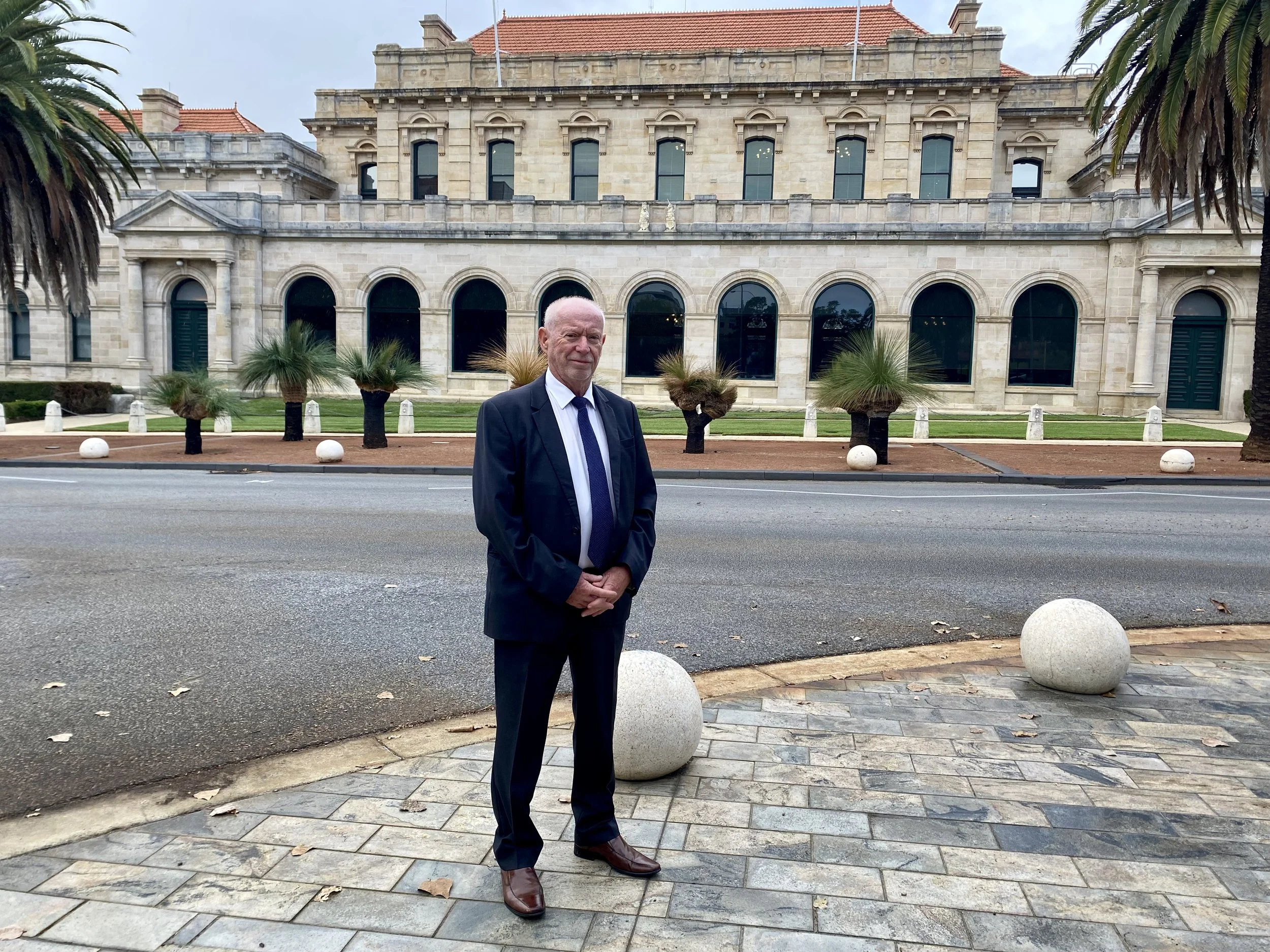
The WA Economics and Industry Standing Committee has released its final report on the Western Australian Domestic Gas (DomGas) Policy. The report, which contains 77 findings and 30 recommendations, calls for a comprehensive review and update of the current policy. Notably, it suggests the development of a new domestic gas security policy objective to ensure the state’s energy needs are met.
The DomGas Alliance has welcomed the report’s findings and key recommendations. These recommendations underscore the importance of securing domestic gas supplies to support Western Australian households, businesses, and industries, while also aligning with the state's decarbonisation goals.
Richard Harris, spokesperson for the DomGas Alliance, expressed satisfaction with the Committee’s recognition of the need for a secure and affordable domestic gas supply. "We are pleased to see that the Committee has acknowledged the importance of securing a reliable domestic gas supply in Western Australia," said Harris.
Harris highlighted that the key recommendations align with the Alliance's efforts to modernize the domestic gas reservation policy. "The recommendation to reform the policy to deliver 15% of all LNG exports into the domestic market is a step in the right direction," he noted.
Additionally, the Alliance supports the Committee's call to broaden the gas reservation policy, increase market transparency, and tighten the management of retention leases for gas fields. However, the Alliance remains firmly opposed to any consideration of allowing onshore gas exports in the near future, citing the forecasted domestic gas shortfalls.
"Allowing onshore gas exports at this time would undermine our domestic energy security," Harris emphasised. The DomGas Alliance continues to advocate for policies that prioritise the state's energy needs, ensuring a stable supply for the decades to come.

Chevron ups local Wheatstone output
Chevron Australia has increased the production capacity of its Wheatstone domestic gas facility by 7%, bringing its daily capacity to 230 terajoules.
This boost reflects Chevron's commitment to supporting Western Australia's energy security and meeting rising gas demand, contributing significantly to the state's domestic gas market.
The announcement aligns with ongoing discussions about the state's domestic gas policy, highlighting the importance of stable policies and efficient approval processes for new gas developments.
Read more here.

Strike-Hancock JV gets gas project tick
A Perth Basin gas project, jointly owned by Hancock Energy and Strike Energy, has achieved a significant milestone with the grant of a key state approval, marking an important step on the path to providing much-needed gas for the Western Australian domestic market. Acting Environment Minister Tony Buti granted environmental approval for the West Erregulla gas project's development plan. This approval is crucial as the joint venture partners aim for a final investment decision in the next quarter.
In addition to this approval, AGIG's plan for midstream infrastructure connecting the project's plant and pipeline also received the green light. Strike Energy, the project operator and 50 percent owner, described this approval as a "major de-risking event" after over three years of work. The approval comes with conditions, including revisions to the weed hygiene management plan and additional plant surveys, particularly to protect the habitat of the Carnaby’s black cockatoo.
West Erregulla plays a key role in Strike's accelerated gas development strategy for the Perth Basin region, which is endorsed by the state government amid a tight domestic supply environment.
Read more here.

The Gorgon deal that could up the stakes on WA’s looming gas shortage
Gas producers and consumers are lobbying the WA government about whether onshore gas should be exported to address a predicted shortage over the next decade. However, there's a looming risk that Chevron's Gorgon gas export project, which supplies 25% of WA's gas, could cease supplying by 2037 due to a 2003 deal. This potential shortfall impacts current long-term investment decisions in gas-consuming projects and plant life extensions.
The WA government has highlighted its policy requiring gas exporters to reserve 15% of gas for local use, but Gorgon, under a 2003 agreement, reserved a fixed 2000 petajoules for domestic use, amounting to less than 7% of its total gas. DomGas Alliance, representing large gas consumers, believes the policy should enforce the 15% local supply intent. While Chevron plans to operate Gorgon into the 2060s, it may not supply WA post-2037 unless the price matches international returns, undermining the domestic gas reservation policy's effectiveness.
The Australian Energy Market Operator predicts a gas supply-demand gap by 2033, and Gorgon's potential exit in 2037 could leave 45% of state gas demand unmet, affecting investor confidence in gas-dependent projects. This issue remains underexplored in the parliamentary inquiry into WA’s domestic gas policy, which focuses on the short to medium term.
Read more here.

Strike Energy slashes Erregulla gas reserves assessment
Strike Energy has revised its resource estimates downward for its Erregulla gas field in Western Australia's Perth Basin following a new assessment by independent auditors Netherland Sewell and Associates. The latest review contrasts sharply with the initial, more optimistic outlook from September 28, 2022.
The revision is attributed to the lack of data available during the original certification. Subsequent drilling at the SE 2 and SE 3 wells, along with additional information from nearby wells, revealed the initial projections were overly optimistic. A Strike spokesperson explained that the original certification relied on data from fewer wells and assumed a thickening of the reservoir based on these limited data points. However, recent drilling results have shown this assumption to be incorrect, leading to a reduced net pay thickness and a downgrade of the reserves at South Erregulla. Additionally, the contingent resources on the western side of the field have been written off completely.
Alongside this announcement, Strike has revealed plans to develop an 85 MW peaking power plant.
Read more here.

Inquiry into WA’s domestic gas policy pushed back to mid-August
The release of the parliamentary inquiry report into the domestic gas market has been delayed until after the winter break. The Economics and Industry Standing Committee was supposed to publish the review on Thursday morning but postponed it by nine weeks, now aiming for a release on August 15. This decision was due to the high volume and quality of evidence received, necessitating more time for thorough consideration.
The inquiry was prompted by concerns over big exporters not supplying enough gas to the local market and projections of a significant shortfall within a decade. It also examined the State Government’s 2020 ban on onshore gas exports and subsequent policy changes.
Shadow Energy Minister Steve Thomas expressed concern over the delay, especially with the State Election approaching in March, emphasizing the need for policy certainty in the energy industry. Industry sources suggested that Woodside’s recent commitment to supply additional gas might shift the Government's focus to potential changes in onshore rules.
Steve Thomas proposed that any relaxation of onshore export rules should include a public process for transparency.
Premier Roger Cook previously promoted the potential for onshore gas exports but recently indicated a possible shift towards maintaining the existing ban. The DomGas Alliance launched a campaign in May backing the gas reservation policy, arguing lifting the ban would not lead to higher local supply.
Read more here.

Strike's swift payback on Walyering
Strike Energy has recovered the development cost of its Walyering gas project in the Perth Basin after just eight months, a timeframe the company says is among the fastest in recent history.
The news out of Walyering, which supplies 100 per cent of its gas to the domestic market, means the company has made $30 million on the project since it entered production eight months ago.
Despite calls from Strike and other companies to allow LNG exports from onshore regions to attract development capital, major gas users have argued that this would severely impact domestic gas supply.
Walyering's success challenges the notion that LNG exports are necessary for viable onshore gas projects. Strike remains committed to expanding its gas operations, with plans to bring four new fields online by 2026, despite recent setbacks with the South Erregulla project.
Read the full article here.